Last Chance Auto Repair

Auto Repair Shop In Plainfield, IL

Auto Repair Shop In Plainfield, IL

Auto Repair In Plainfield At Its Finest. Serving Plainfield, Naperville, Bolingbrook, Romeoville, Chicagoland since 1978.

  • Services
        • Brake Repair
          • Brakes Near Me
          • Brakes Plainfield
          • Brakes Naperville
          • Brakes Bolingbrook
          • Brake Rotor Replacement
          • Save On Brakes
        • Emissions Repair
        • Asian Repair
        • European Repair
        • Classic & Vintage
        • Truck Repair
          • Medium Duty Repair
        • Fleet Repair
        • Charging System Repair
          • Alternator Repair
          • Alternator Replacement
        • A/C Repair
          • A/C Recharge Service
          • A/C Condenser Repair
          • A/C Compressor Repair
        • Cooling System
          • Radiator Services
          • Water Pump Replacement
          • Thermostat Replacement
        • Steering System
        • Auto Maintenance
          • Auto Tune-Up
          • Oil Change
          • Batteries
        • Engine Services
          • Starter Replacement
          • Timing Belt Replacement
          • Timing Chain Replacement
          • Cylinder Heads
          • Auto Machine Shop
        • Transmissions
          • Clutch Replacement
          • Torque Converter Replacement
        • Transfer Cases
        • Carburetors
        • Driveshaft Service
        • Diesel Repair
        • Electrical Repair
        • Suspension Repair
          • Shocks & Struts
          • Ball Joint Replacement
          • Alignment Shop
        • Exhaust Repair
          • Catalytic Converter
        • Differential Repair
        • Diagnostic
        • Auto Glass Repair
        • Auto Body Shop
        • Welding Service
        • Vehicle Inspection
        • Tire Replacement
  • Vehicles
          • DOMESTIC
          • Buick Repair
          • Cadillac Repair
          • Chevrolet Repair
          • Corvette Repair
          • Dodge Repair
          • Ford Repair
          • GMC Repair
          • Hummer Repair
          • Jeep Repair
          • RAM Repair
          • ASIAN
          • Acura Repair
          • Daewoo Repair
          • Honda Repair
          • Hyundai Repair
          • Infiniti Repair
          • Isuzu Repair
          • KIA Repair
          • Lexus Repair
          • Mazda Repair
          • Nissan Repair
          • Mitsubishi Repair
          • Scion Repair
          • Subaru Repair
          • Suzuki Repair
          • Toyota Repair
          • EUROPEAN
          • BMW Repair
          • Fiat Repair
          • Jaguar Repair
          • Land Rover Repair
          • Mercedes Benz Repair
          • MINI Cooper Repair
          • Porsche Repair
          • Saab Repair
          • Smart Repair
          • Volkswagen Repair
          • Volvo Repair
  • Towing
        • 24 Hour Towing
        • Towing Plainfield
        • Towing Bolingbrook
        • Roadside Assistance
        • Lockout Service
        • Jump Start Service
        • Mobile Battery Replacement
        • Toolbox Towing
  • Storage
    • Outdoor Car Storage
  • Coupons
        • Low Cost Guaranteed
        • Transmissions
        • Free Brake Inspection
        • Air Conditioning
        • Oil Change Specials
        • Free Computer Scan
        • Teacher Discount
        • Senior Citizen Discount
  • Blog
  • About Us
    • Reviews
    • Now Hiring
    • Car Mechanic Jobs Near Me
    • Brake Repair FAQs
  • Contact Us
  • Write A Review

What Is the Most Expensive Thing to Fix on a Car?

What Is the Most Expensive Thing to Fix on a Car?

The engine and transmission are generally the most expensive major components to repair or replace on a car. Severe engine failure or complete transmission replacement can cost several thousand dollars, with some repairs exceeding $10,000. For hybrid and electric vehicles, the high-voltage battery can also be among the most expensive components.

The final cost depends on the vehicle’s make and model, damage, labor rates, parts prices, diagnostic requirements, and whether the component can be repaired, rebuilt, or replaced.

Engine Maintenance

What Is the Most Expensive Car Repair?

For most gasoline and diesel vehicles, major engine and transmission repairs are typically the most expensive.

Major Repair Broad Cost Why It’s Expensive
Engine replacement $4,000–$12,000+ Expensive parts and extensive labor
Engine rebuild $3,000–$10,000+ Internal disassembly and machining
Transmission replacement $3,000–$8,000+ Complex mechanical and electronic components
Transmission rebuild $2,500–$6,000+ Extensive internal labor
Hybrid/EV battery $3,000–$15,000+ Large high-voltage battery assemblies
Turbocharger repair $1,500–$5,000+ Specialized parts and labor
Advanced electrical repair $1,000–$5,000+ Diagnostics, modules, and programming
Major A/C repair $1,000–$4,000+ Difficult access and system work

These are broad estimates. Actual prices vary by vehicle, location, parts availability, and repair complexity.

1. Engine Replacement

A failed engine is one of the most expensive problems a conventional vehicle can experience. Severe overheating, low oil, timing-component failure, bearing damage, piston problems, or major internal wear can make replacement more practical than individual repairs.

How Much Does It Cost to Replace an Engine?

Engine replacement can commonly cost $4,000 to $12,000 or more. The total may include the replacement engine, removal and installation, fluids, gaskets, seals, diagnostics, programming, and testing.

Used engines may cost less than new or remanufactured units, but the best option depends on the vehicle and condition.

2. Transmission Replacement

Transmission replacement can also create one of the largest automotive repair bills. Transmissions contain gears, clutches, solenoids, valve bodies, torque converters, bearings, seals, and electronic controls.

What Does a Transmission Replacement Cost?

A transmission replacement can cost $3,000 to $8,000 or more, depending on the vehicle. Luxury, performance, hybrid, and specialized vehicles may cost significantly more.

3. Hybrid and Electric Vehicle Battery Replacement

For hybrid and electric vehicles, the high-voltage battery can be one of the most expensive components to replace. These batteries contain multiple modules and sophisticated battery-management systems.

A battery-related problem does not always mean the entire battery needs replacement. Proper diagnosis may identify a faulty module, connection, cooling component, or electronic system that can be repaired separately.

4. Engine Rebuild

An engine rebuild involves disassembling the engine and inspecting its internal components. Depending on the damage, technicians may replace pistons, rings, bearings, valves, gaskets, seals, and timing components while performing necessary machining.

Because the process is labor-intensive, an engine rebuild can cost $3,000 to $10,000 or more.

5. Transmission Rebuild

A transmission rebuild requires removing and disassembling the transmission to inspect its internal components. Clutch packs, seals, bearings, solenoids, gaskets, and valve-body components may need replacement.

A rebuild can sometimes cost less than complete replacement, but it remains a significant repair.

6. Turbocharger Failure

Turbocharged vehicles can develop expensive problems involving the turbocharger and related components. A major repair may include the turbocharger assembly, oil or coolant lines, sensors, exhaust components, and gaskets.

Depending on accessibility and vehicle design, turbocharger repairs can cost $1,500 to $5,000 or more.

7. Advanced Electrical Problems

Modern vehicles rely heavily on electronics, making difficult electrical faults expensive to diagnose and repair. Problems may involve wiring, grounds, sensors, relays, control modules, battery systems, or communication networks.

The most expensive part isn’t always the replacement component. Diagnostic labor can account for a significant portion of the bill, especially when technicians must trace an intermittent electrical problem.

8. Major Air Conditioning Repairs

Major A/C repairs can also reach four figures. Common expensive components include the compressor, condenser, evaporator, expansion valve, refrigerant lines, and electrical controls.

Some components, particularly evaporators, can require extensive dashboard or interior disassembly.

What Makes a Car Repair Expensive?

Several factors determine the final repair price:

  • Parts: Some components are significantly more expensive than others.
  • Labor: Complex repairs require more technician hours.
  • Accessibility: Difficult-to-reach components take longer to replace.
  • Diagnostics: Modern vehicles often require specialized equipment.
  • Programming: Electronic components may require programming or calibration.
  • Vehicle type: Luxury, performance, hybrid, and electric vehicles can cost more to repair.
  • Location: Labor rates vary by geographic area.

Is a $5,000 Car Repair Worth It?

Sometimes a major repair is financially sensible.

For example, a $5,000 repair on a $15,000 vehicle may be reasonable if the car has a healthy transmission, good tires, little rust, a strong maintenance history, and no other major problems.

A $5,000 repair on a $5,000 vehicle with a failing transmission, severe rust, and additional major repairs may not make as much financial sense.

How to Decide Whether to Repair or Replace Your Car

Consider:

Vehicle Value

Determine the vehicle’s current market value and condition.

Repair Cost

Get a detailed, itemized estimate before approving major work.

Overall Condition

Consider the engine, transmission, suspension, brakes, tires, electrical systems, and body.

Maintenance History

A well-maintained vehicle may have significantly more useful life remaining.

Mileage

Mileage matters, but it should not be the only factor.

Future Repairs

Ask the technician what other major repairs may be approaching.

Replacement Cost

Compare the repair with the cost of purchasing another dependable vehicle.

The 12-Month Repair Test

Estimate your likely automotive expenses for the next year by adding:

  • Immediate repair
  • Scheduled maintenance
  • Tires
  • Brakes
  • Known upcoming repairs
  • Potential major repairs

Then compare the total with the cost of replacing the vehicle. This gives you a broader financial picture instead of focusing on one repair bill.

When Should You Stop Repairing a Car?

There is no universal dollar amount that makes a car unworthy of repair. Consider replacing the vehicle when major repairs happen repeatedly, the engine and transmission both have serious problems, structural rust is severe, safety systems are compromised, or several expensive repairs are expected soon.

Don’t Ignore Smaller Problems

Addressing problems early can help prevent major expenses. A small cooling-system leak, for example, can eventually cause severe overheating and engine damage if ignored.

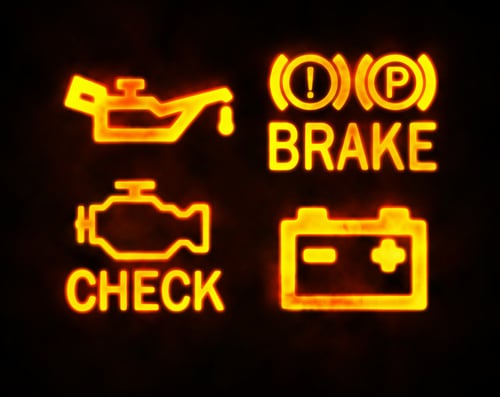
The same principle applies to brakes, fluids, steering, suspension, warning lights, and unusual noises.

Maintenance Can Protect Your Investment

Regular maintenance cannot prevent every failure, but it can reduce unnecessary wear and identify developing problems.

Important maintenance areas include:

  • Engine oil
  • Coolant
  • Brake fluid
  • Transmission fluid when applicable
  • Filters
  • Belts
  • Tires
  • Brakes
  • Battery
  • Suspension and steering

Follow the manufacturer’s maintenance schedule and investigate unusual symptoms promptly.
Last Chance Auto Repair

Frequently Asked Questions

What is the most expensive thing to fix on a car?

The engine and transmission are generally among the most expensive major components to repair or replace. Severe failures can cost several thousand dollars, while certain repairs can exceed $10,000.

Is an engine more expensive to replace than a transmission?

It depends on the vehicle and specific failure. Both engine and transmission replacements can cost several thousand dollars, with parts, labor, and repair type affecting the final price.

What is the most expensive part of a car to replace?

For conventional vehicles, the engine and transmission are typically among the most expensive. For some hybrid and electric vehicles, the high-voltage battery can be similarly expensive.

Is a $5,000 car repair worth it?

It can be if the vehicle is otherwise reliable and worth substantially more than the repair cost. Consider its condition, mileage, maintenance history, future repairs, and replacement costs.

What repairs can cost more than $10,000?

Certain engine replacements, specialized transmissions, high-voltage battery replacements, luxury or performance vehicle repairs, and extensive drivetrain work can exceed $10,000.

How can I avoid expensive car repairs?

Follow the manufacturer’s maintenance schedule, address warning lights and unusual symptoms quickly, maintain fluids and brakes, and have problems professionally diagnosed before they become worse.

Conclusion

So, what is the most expensive thing to fix on a car? For most conventional vehicles, major engine and transmission repairs are among the most expensive automotive repairs. Engine replacement can exceed $10,000, while transmission replacement can also cost several thousand dollars. Hybrid and electric vehicle battery replacements can reach similarly high amounts.

However, an expensive repair does not automatically mean you should replace the vehicle. Consider its value, condition, mileage, maintenance history, reliability, and expected future repairs.

Before approving a major repair, get a proper diagnosis and itemized estimate. Catching smaller problems early can also prevent them from developing into major failures.

If your car or truck has engine problems, transmission symptoms, brake issues, overheating, warning lights, unusual noises, starting problems, or other automotive concerns, contact Last Chance Auto Repair For Cars Trucks in Plainfield, IL.

For Car Repair Plainfield IL, Car Repair Near Me, Auto Repair, Auto Repair Near Me, Automotive Repair, Brake Shop, Brake Repair, Brake Repair Plainfield IL, or Brake Service, call 815-577-0327 for professional diagnostics, maintenance, brake service, and automotive repair for cars and trucks.
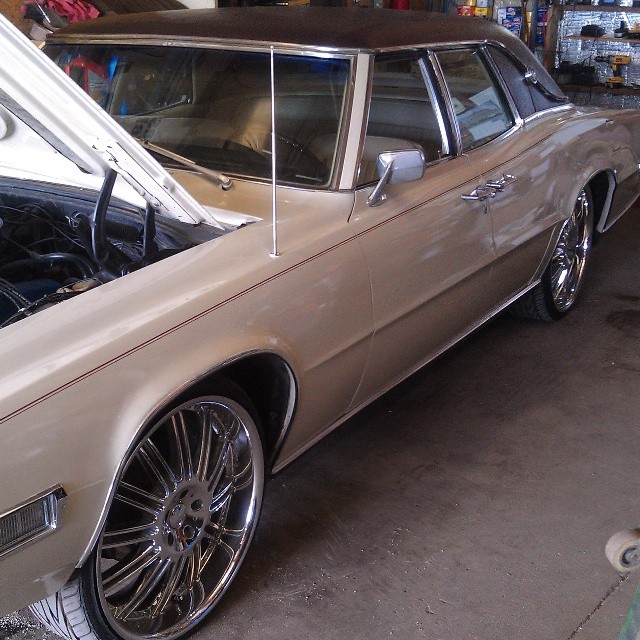
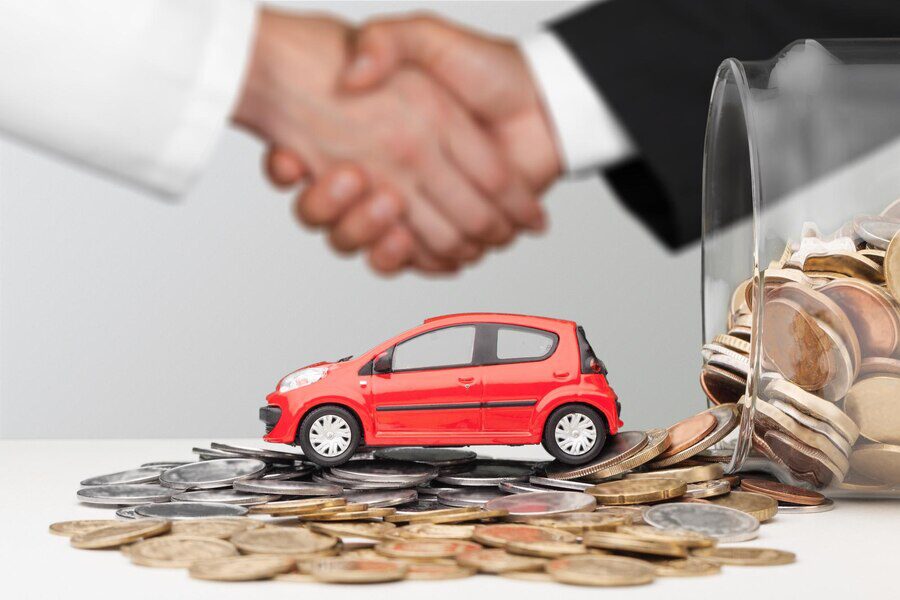
When Should You Trade In an Old Car?

When Should You Trade In an Old Car?

The best time to trade in an old car is before major repairs become frequent and expensive, while the vehicle still has meaningful trade-in value. However, age and mileage alone don’t determine whether you should replace a vehicle.

If your car is reliable, affordable to maintain, and meets your needs, keeping it may be more financially sensible than taking on another auto loan. Consider its condition, mileage, repair history, current value, loan balance, reliability, and expected future repair costs before deciding.

Last Chance Auto Repair

10 Signs It’s Time to Trade In an Old Car

1. Repairs Are Becoming Frequent

One repair doesn’t necessarily mean you need a new car. However, repeated problems with the brakes, suspension, cooling system, electrical components, A/C, engine, or transmission can indicate that ownership costs are increasing.

2. Repair Costs Are Too High

Compare the repair cost with the vehicle’s value. A $1,500 repair on a $12,000 vehicle may make sense, while spending $5,000 to repair a car worth $4,000 deserves serious consideration.

3. The Vehicle Is Unreliable

If your car frequently won’t start, breaks down, or leaves you worried about getting to work or appointments, reliability becomes a major ownership concern. A dependable vehicle can be worth the additional cost of replacing an unreliable one.

4. Major Mechanical Problems Are Developing

Engine failure, transmission problems, severe overheating, persistent misfires, major oil leaks, and serious electrical issues can significantly change the economics of keeping an older car. Always get an accurate diagnosis before deciding to trade.

5. Your Needs Have Changed

Your vehicle may still run perfectly but no longer fit your lifestyle. A growing family, longer commute, towing requirements, additional cargo needs, or a desire for better fuel economy can all justify considering a replacement.

6. Safety Technology Is a Priority

Older vehicles may lack newer safety features such as automatic emergency braking, blind-spot monitoring, lane-departure warnings, adaptive cruise control, rear cross-traffic alerts, and backup cameras. Upgrading for safety can be reasonable if it fits your budget.

7. Maintenance Costs Keep Increasing

Routine maintenance is normal, but constantly spending money on repairs is different. Review your maintenance and repair expenses from the past 12–24 months to determine whether ownership costs are becoming unreasonable.

8. High Mileage Is Combined With Major Repairs

High mileage doesn’t automatically mean a car should be traded. A well-maintained vehicle with 120,000 miles can be more dependable than a neglected car with 70,000 miles. Pay particular attention to the engine, transmission, suspension, cooling system, brakes, steering, and electrical components.

9. You Have Positive Equity

If your car is worth more than your remaining loan balance, you have positive equity that may help pay for your next vehicle.

For example:

  • Vehicle value: $15,000
  • Loan balance: $10,000
  • Positive equity: $5,000

However, positive equity alone isn’t a reason to trade. The replacement vehicle must still fit your budget.

10. The Car No Longer Provides Enough Value

If you’re spending substantial money maintaining an unreliable vehicle that no longer meets your transportation needs, replacing it may be more practical.

When Is the Best Mileage to Trade In a Car?

There is no universal mileage for trading in a vehicle. You may hear recommendations such as 60,000, 75,000, 100,000, or 150,000 miles, but these aren’t automatic replacement points.

Maintenance history, driving conditions, vehicle design, and overall condition are more important than the odometer alone.

Should You Trade In a Car Before 100,000 Miles?

Not necessarily. A properly maintained vehicle can remain reliable beyond 100,000 miles. Instead of trading solely because the car reaches six figures, check the manufacturer’s maintenance schedule and determine whether expensive services or repairs are approaching.

Should You Trade In a Car at 150,000 Miles?

Not automatically. Some vehicles can provide dependable transportation well beyond 150,000 miles. The better question is what it will cost to keep the vehicle for the next several years.

Is It Better to Repair or Trade In an Old Car?

Consider the entire vehicle rather than one repair bill.

Repairing may make sense when:

  • The car is worth significantly more than the repair cost.
  • The engine and transmission are healthy.
  • Major components are in good condition.
  • Repairs have been relatively predictable.
  • The vehicle meets your needs.

Trading may make more sense when:

  • Multiple major repairs are needed.
  • Repair costs approach or exceed the vehicle’s value.
  • Reliability has deteriorated.
  • Significant rust or structural damage exists.
  • Major drivetrain problems are developing.

Use the Next 12-Month Test

Estimate your expected ownership costs for the next year. Include:

  • Known repairs
  • Routine maintenance
  • Tires
  • Brakes
  • Scheduled services
  • Potential major repairs

Then compare those costs with the total cost of replacing the vehicle, including the payment, insurance, registration, taxes, interest, maintenance, and depreciation.

For example, spending $2,500 on an otherwise reliable vehicle may still be considerably cheaper than taking on thousands of dollars in annual replacement costs.

What If You Still Owe Money on the Car?

You can trade in a vehicle with an outstanding loan, but first determine your equity.

Positive Equity

If your car is worth $18,000 and you owe $13,000, you have approximately $5,000 in equity.

Negative Equity

If your car is worth $15,000 but you owe $20,000, you have $5,000 in negative equity.

Negative equity can make trading more expensive because the remaining balance may be added to your next loan. This can increase your payment and leave you owing more than the replacement vehicle is worth.

Should You Repair a Car Before Trading It In?

Minor improvements can sometimes help presentation, such as cleaning the interior, washing the exterior, replacing wipers, or fixing a burned-out bulb.

Be cautious about expensive repairs. Spending $3,000 on a mechanical repair doesn’t necessarily increase the trade-in value by $3,000.

Continue addressing safety-critical problems such as bad brakes, unsafe tires, steering issues, and other dangerous conditions regardless of whether you plan to trade the vehicle.

When Should You Keep Your Old Car?

Keeping your car may be the better financial choice when:

  • It is reliable and mechanically sound.
  • Maintenance costs are predictable.
  • You own it outright.
  • Insurance costs are reasonable.
  • The engine and transmission are healthy.
  • There is no significant structural damage.
  • It meets your transportation needs.
  • You have a good maintenance history.

An older vehicle without a monthly payment can be financially valuable.

Last Chance Auto Repair

Frequently Asked Questions

When should I trade in my old car?

Consider trading when repairs become frequent, reliability declines, major repairs are approaching, or the vehicle no longer meets your needs. Age and mileage alone shouldn’t determine the decision.

Is it better to trade in a car before 100,000 miles?

Not necessarily. A well-maintained vehicle can remain dependable well beyond 100,000 miles, so consider its condition, maintenance history, repair costs, and expected future problems.

Should I trade in my car if it needs a $1,500 repair?

Not automatically. If the vehicle is reliable and worth considerably more than the repair, fixing it may be the better financial decision. If additional major repairs are likely, trading may be worth considering.

Is it worth fixing an old car before trading it in?

It depends on the repair. Minor issues may be worth fixing, but expensive mechanical repairs don’t necessarily increase trade-in value enough to recover their cost.

Should I trade in a high-mileage car?

High mileage alone isn’t a reason to trade. Evaluate the engine, transmission, suspension, cooling system, brakes, electrical components, maintenance history, and expected repair costs.

Should I trade in a car with negative equity?

You can, but be careful. Negative equity may be rolled into your next auto loan, increasing the amount you finance and potentially making the replacement vehicle more expensive.

Conclusion

So, when should you trade in an old car?

The best time is generally when the vehicle is still worth something but reliability, repair costs, or its ability to meet your needs are beginning to deteriorate. There is no universal age or mileage at which every car should be traded.

Before making a decision, compare your vehicle’s current value, loan balance, repair history, maintenance costs, mileage, reliability, safety, and expected future repairs with the true cost of replacing it.

If your car needs a $1,500 repair but otherwise runs reliably, fixing it may be much cheaper than taking on a new car payment. On the other hand, repeated expensive repairs, major engine or transmission problems, or declining reliability may make replacement more practical.

If you’re experiencing brake problems, suspension issues, warning lights, engine concerns, transmission symptoms, overheating, steering problems, or general maintenance needs, have the vehicle professionally inspected before deciding whether to repair, keep, or replace it.

For Car Repair Plainfield IL, Car Repair Near Me, Auto Repair, Auto Repair Near Me, Automotive Repair, Brake Shop, Brake Repair, Brake Repair Plainfield IL, or Brake Service, contact Last Chance Auto Repair For Cars Trucks in Plainfield, IL.

Call 815-577-0327 for professional car and truck diagnostics, maintenance, brake service, and automotive repair.

Is $750 a Bad Car Payment?

Is $750 a Bad Car Payment?

A $750 monthly car payment isn’t automatically bad, but it is a significant financial commitment. Whether you can afford it depends on your income, housing costs, debt, insurance, fuel, maintenance, savings, and other expenses.

The bigger mistake is focusing only on the payment instead of the total cost of owning the vehicle. A $750 payment equals $9,000 per year before insurance, fuel, maintenance, repairs, registration, and other costs.

Timely Car Repair Crucial(1)

Is $750 a Month Too Much for a Car?

For many people, $750 is a high car payment. However, your income and overall budget make a major difference.

Annual Income $750 Payment as % of Gross Monthly Income
$40,000 22.5%
$50,000 18.0%
$60,000 15.0%
$70,000 12.9%
$80,000 11.3%
$100,000 9.0%
$120,000 7.5%
$150,000 6.0%

These percentages don’t include insurance, fuel, maintenance, repairs, taxes, or registration. Therefore, a $750 payment may be manageable for one person but financially stressful for another.

What Does a $750 Car Payment Really Cost?

Your loan payment is only one part of your transportation budget. Other expenses can include:

  • Insurance
  • Gas or charging
  • Maintenance
  • Repairs
  • Registration and taxes
  • Tires
  • Parking
  • Routine services

For example, a driver paying $750 for the loan, $180 for insurance, $200 for fuel, and $100 toward maintenance and repairs is spending about $1,230 per month, or $14,760 per year, on transportation.

That’s before unexpected repairs, parking, registration, and other costs.

How Much Income Do You Need for a $750 Car Payment?

There is no universal salary requirement.

$50,000 Salary

At $50,000 annually, gross monthly income is about $4,167. A $750 payment consumes approximately 18% of gross monthly income, making it a significant financial commitment.

$70,000 Salary

At $70,000 annually, gross monthly income is approximately $5,833. A $750 payment represents about 12.9% of gross income and may be manageable depending on debt and other expenses.

$100,000 Salary

At $100,000 annually, gross monthly income is about $8,333. The payment represents approximately 9% of gross income, which may be easier to manage if you have low debt and strong savings.

What Is a Reasonable Car Payment?

Instead of asking, “What car payment can I qualify for?”, ask, “What payment can I comfortably afford?”

A lender may approve a loan that leaves little room for savings, emergencies, or other financial goals. Loan approval doesn’t necessarily mean the vehicle fits comfortably within your budget.

The 20/4/10 Rule

The 20/4/10 rule is one commonly used vehicle-buying guideline:

  • Put at least 20% down.
  • Finance for no more than four years.
  • Keep total transportation costs around 10% or less of gross monthly income.

It’s not a strict rule for everyone, but it emphasizes an important point: consider total transportation costs rather than just the monthly loan payment.

Why a Low Monthly Payment Can Be Misleading

A longer loan term can make an expensive vehicle appear more affordable.

Common terms include:

  • 36 months
  • 48 months
  • 60 months
  • 72 months
  • 84 months

While longer terms can lower the monthly payment, they can also mean paying more interest, building equity more slowly, and remaining in debt longer.

Always compare the vehicle price, APR, loan term, total interest, and total amount paid, not just the monthly payment.

Is a $750 Payment Bad on a $70,000 Salary?

A $750 payment on a $70,000 salary isn’t automatically unaffordable. At that income, the payment is about 12.9% of gross monthly income.

However, your other expenses matter.

A $750 payment may become difficult if you have high rent, student loans, credit-card debt, childcare costs, expensive insurance, or other large obligations.

It may be easier to manage if you have low housing costs, minimal debt, stable income, and sufficient emergency savings.

When Is a $750 Car Payment Too High?

The payment may be too high if it prevents you from meeting other financial priorities.

You Can’t Save Money

If your vehicle payment prevents emergency or retirement savings, reconsider the purchase.

You’re Using Credit Cards for Basic Expenses

Needing credit cards to cover groceries or bills because of the car payment is a major warning sign.

You Have No Emergency Fund

Unexpected vehicle repairs can become difficult to handle without cash reserves.

You Need a Seven- or Eight-Year Loan

An unusually long loan may indicate that the vehicle is too expensive for your budget.

You Depend on Overtime

If you need overtime or bonuses every month just to make the payment, the vehicle may not be comfortably affordable.

Don’t Forget Maintenance and Repairs

Even newer vehicles require ongoing maintenance. Expenses can include:

  • Oil changes
  • Tires
  • Brake service
  • Batteries
  • Filters
  • Alignments
  • Suspension repairs
  • Air conditioning service
  • Cooling-system repairs
  • Unexpected mechanical problems

Setting aside money for maintenance and repairs can help prevent an unexpected bill from becoming a financial emergency.

What If Your Car Breaks While You Have a $750 Payment?

Suppose you already pay $750 monthly and suddenly face a $1,500 repair bill.

Without emergency savings, you may have to use a credit card, borrow money, delay the repair, or consider selling the vehicle.

This is why affordability should be based on your entire transportation budget, not just the loan payment.

How to Lower a $750 Car Payment

If $750 is too much, several options may help:

Increase the Down Payment

A larger down payment reduces the amount financed, but don’t empty your emergency savings just to lower the payment.

Buy a Less Expensive Vehicle

Reducing the purchase price is often the simplest way to reduce your monthly payment.

Find a Better Interest Rate

A lower APR can reduce both monthly payments and total interest.

Avoid Unnecessary Add-Ons

Optional warranties, accessories, protection plans, and other financed products can increase the amount borrowed.

Use Positive Trade-In Equity

If your current vehicle is worth more than you owe, applying the equity toward your next purchase can reduce the amount financed.

How Much Does a $750 Payment Cost Over Time?

Ignoring interest:

  • 48 months Γ— $750 = $36,000
  • 60 months Γ— $750 = $45,000
  • 72 months Γ— $750 = $54,000
  • 84 months Γ— $750 = $63,000

Interest increases these totals. This shows why the loan term and APR are just as important as the monthly payment.

What Should You Ask Before Buying a Car?

Before signing a loan, review:

  • Vehicle selling price
  • Amount financed
  • APR
  • Loan term
  • Total interest
  • Down payment
  • Trade-in value
  • Taxes and fees
  • Optional products
  • Total amount paid

Avoid negotiating solely around the monthly payment.

Last Chance Auto Repair

Frequently Asked Questions

Is $750 a month a bad car payment?

A $750 monthly payment is high for many households, but it isn’t automatically bad. Income, debt, housing, savings, insurance, and total vehicle costs determine whether it’s affordable.

Is a $750 car payment affordable on a $70,000 salary?

It can be, but it’s substantial. At $70,000 annually, $750 represents approximately 12.9% of gross monthly income. Your other expenses determine whether the payment fits your budget.

What salary can afford a $750 car payment?

There is no universal salary requirement. Someone earning more may still struggle because of debt and expenses, while someone earning less may have more room because of lower financial obligations.

Is $750 too much for a used car?

Not necessarily. The purchase price, APR, loan term, vehicle reliability, and your overall budget all matter.

How can I lower a $750 car payment?

You could buy a less expensive vehicle, increase your down payment, secure a lower APR, remove unnecessary add-ons, or use positive trade-in equity. Avoid extending the loan simply to make the payment appear smaller.

Is a shorter car loan better?

A shorter loan can reduce the time you’re in debt and may lower total interest. However, it generally creates a higher monthly payment, so choose a term that fits your overall budget.

Conclusion

So, is $750 a bad car payment? For many people, it’s a high payment, but the number alone doesn’t determine whether it’s financially responsible.

Consider your income, debt, housing, savings, insurance, fuel, maintenance, repairs, APR, and loan term before deciding.

Remember that a $750 loan payment can easily become a $1,000-plus monthly transportation expense after ownership costs are included.

If your vehicle needs Car Repair Plainfield IL, Car Repair Near Me, Auto Repair, Auto Repair Near Me, Automotive Repair, Brake Shop, Brake Repair, Brake Repair Plainfield IL, or Brake Service, contact Last Chance Auto Repair For Cars Trucks in Plainfield, IL.

Call 815-577-0327 for professional car and truck diagnostics, maintenance, brake service, and automotive repair.

  • « Previous Page
  • 1
  • 2
  • 3
  • 4
  • 5
  • 6
  • …
  • 99
  • Next Page »

Reviews

EXCELLENT
Google star 1Google star 2Google star 3Google star 4Google star 5.0.6
Based on 417 reviews
Google
Posted on Google Google
Jack Piecuch profile picture
Jack Piecuch
Google star 1Google star 2Google star 3Google star 4Google star 5Trustindex verifies that the original source of the review is Google.
Couldn’t say anything better about these folks. I’d give 10 stars if I could. Their customer service, quick turnaround, and reasonable pricing is second to none. All I had to do was call them, tell them the issue, they towed my car that night and got it all done within 2 days. I’d recommend their services to anyone and will definitely be back if anything else comes up. Thanks again!
Posted on Google Google
Benjamin Chernivsky profile picture
Benjamin Chernivsky
Google star 1Google star 2Google star 3Google star 4Google star 5Trustindex verifies that the original source of the review is Google.
Not a shop I would give repeat business to. **Just updated the review because their reply to this review claimed they completed the job in 5-7 days, which is simply not true and I have evidence. Take a look at the 2 images I just uploaded. I texted the shop the morning I dropped my truck off: November 20. And there's also a copy of my receipt dated December 5 (when I picked up the truck). So, 15 days to get a 5 hour job done! "Family-owned" doesn't automatically mean good family and business values. There are plenty of families that thrive on manipulation and drama. I have zero reason to be dishonest here - they simply do not want to honor their warranty. Not for me. Stay away. Their big flaw here is communication: if they don't communicate the details, then they don't need to be held accountable. It's just plain manipulative and lacks accountability. They didn't go over the warranty details at all before they did the work, and they also said the part I brought them was a quality part. Original review: Last Chance took 2 weeks to repair a job that takes 5 hours, they reused old bushings and seals causing more leaks on my truck, and they ultimately denied warranty repair after the pinion bearing they replaced began to fail within 6 months. This job cost me $1600, so it was hard to hear them casually say no. There was no room for finding a middle ground, either. They had zero interest in finding a solution together. They said I had gone over the miles for the warranty, even though it was only 9 months after the repair by the time I brought it into Last Chance again. I had paperwork proving part failure earlier in the year - I began to hear bearing failure noise around 6 months after repair, but it took me a few months to figure out where the noise was coming from (I replaced tires, did an alignment, changed wheel bearings - did a lot of work hoping it wasn't the same issue). They literally didn't care about any of that. Last Chance had zero interest in hearing that the noise had developed within the warranty period. Bearings take a while to fail, and the noise slowly develops - they should know this as an established mechanical shop. But they expected me to act a very specific and certain way in order to follow their warranty guidelines. I'll never understand people who are not really helpful. And so the overall experience was Last Chance only cared about themselves, and I didn't really feel important as a paying customer. I ultimately found another shop who got the work done in just 2 days. It was night and day difference. The new shop was informative, honest, and understanding. They were also upfront and honest about their warranty terms and details. Last Chance experience felt patronizing and lackadaisical. Shop elsewhere and get perspective before giving your business to Last Chance. It wouldn't have taken much for them to make this a positive experience, but they seemed very uninterested in even trying.
Posted on Google Google
Auni Ausborn profile picture
Auni Ausborn
Google star 1Google star 2Google star 3Google star 4Google star 5Trustindex verifies that the original source of the review is Google.
Last Chance Auto Repair saved the day (again). The brakes were shot, needed new front brakes and calipers for my SUV. Originally brought it somewhere else a few blocks away, and ouch, no way. Then I remembered the great service and prices I got over at Last Chance Auto Repair on my last visit. I'm glad I remembered them. Long story short, they did not disappoint. I will never go anywhere else again.
Posted on Google Google
Joel Coronado profile picture
Joel Coronado
Google star 1Google star 2Google star 3Google star 4Google star 5Trustindex verifies that the original source of the review is Google.
We had a small emergency when the alternator quit making power as soon as the battery light came on. Luckily I was across the street at Plainfield East High School. Very conveniently they had a tow truck there dropping off another vehicle. After the 1st call, I was towed over in about 20 minutes. Tested it right away and showed me the results. Ordered the alternator and I picked up my CR-V the next morning. All in all, great experience, and fair numbers. Highly recommend this garage.
Posted on Google Google
Melissa Swonke profile picture
Melissa Swonke
Google star 1Google star 2Google star 3Google star 4Google star 5Trustindex verifies that the original source of the review is Google.
They did an excellent job on replacing my struts, tie rods, wheel bearings, and alignment. Quick service that included a fair bill. Very responsive and on-point communication. I will definitely refer to family and friends.
Posted on Google Google
Francisca Estrada profile picture
Francisca Estrada
Google star 1Google star 2Google star 3Google star 4Google star 5Trustindex verifies that the original source of the review is Google.
Great family-owned and operated type of car repair shop. Top-notch customer service, high-end quality work, and the icing on the cake is the team at Last Chance Auto Repair.
Posted on Google Google
Christopher Burch profile picture
Christopher Burch
Google star 1Google star 2Google star 3Google star 4Google star 5Trustindex verifies that the original source of the review is Google.
This repair shop plays no games. Very informative almost educational and prices that are more than fair can be counted on. Saved me over $2000 on a transmission repair one trip and then on another saved me $600 when getting my brakes replaced. Good all around experience. My family and I are life long customers.
Posted on Google Google
Amanda Brown profile picture
Amanda Brown
Google star 1Google star 2Google star 3Google star 4Google star 5Trustindex verifies that the original source of the review is Google.
Great people, great prices, same-day service (when scheduled), and always there when needed. Brake service done right!
Posted on Google Google
Adam Durbin profile picture
Adam Durbin
Google star 1Google star 2Google star 3Google star 4Google star 5Trustindex verifies that the original source of the review is Google.
Excellent service at a great price! They got my struts replaced and alignment done the same day on this last visit. The staff was very helpful, honest, and knowledgeable. We bring all of our vehicles to Last Chance Auto Repair. Highly recommend!
Posted on Google Google
Francisco Mendez profile picture
Francisco Mendez
Google star 1Google star 2Google star 3Google star 4Google star 5Trustindex verifies that the original source of the review is Google.
I've been having starting problems for awhile now and then my starter officially took a turn for the worse. Bit the bullet and had no choice but to tow it to Last Chance Auto Repair in Plainfield. In and out with the quickness and as always an unfortunate but fair price tag included.

Facebook Posts

Last Chance Auto Repair For Cars Trucks

4 days ago

Last Chance Auto Repair For Cars Trucks
πŸš— Need an auto repair shop you can count on? Last Chance Auto Repair has you covered! πŸ”§

From strange noises and warning lights to brake problems, suspension issues, engine trouble, and routine maintenance, our team is here to help keep your vehicle safe, dependable, and on the road.

At Last Chance Auto Repair For Cars Trucks in Plainfield, IL, we handle:

βœ… Brake repair
βœ… Suspension & steering repair
βœ… Check engine light diagnostics
βœ… Engine repair
βœ… Electrical diagnostics
βœ… Wheel alignments
βœ… Battery & charging system service
βœ… A/C & heating repair
βœ… Cooling system repair
βœ… Preventive maintenance
βœ… General auto repair & more

Family owned and operated since 1978, proudly serving Plainfield, Naperville, Bolingbrook, Romeoville, Joliet, Aurora, Chicago, and surrounding Chicagoland.

If you’re searching for a trusted auto repair shop near me, car repair in Plainfield, IL, or a mechanic you can count on, give Last Chance Auto Repair a call today. πŸš—πŸ”§

Last Chance Auto Repair For Cars Trucks
12052 S Naper Plainfield Rd
Plainfield, IL 60585
815-577-0327

#AutoRepairShop #AutoRepairPlainfieldIL #MechanicNearMe #CarRepair #LastChanceAutoRepair
...

Video

View on Facebook (opens in a new tab)
· Share

Share on Facebook (opens in a new tab) Share on Twitter (opens in a new tab) Share on LinkedIn (opens in a new tab) Share by Email (opens in a new tab)

Last Chance Auto Repair For Cars Trucks

1 week ago

Last Chance Auto Repair For Cars Trucks
πŸ”§ BEFORE & AFTER: FEEL THE DIFFERENCE PROPER MAINTENANCE CAN MAKE!

Does your vehicle bounce excessively, make clunking noises, or feel unstable over bumps?

These could be signs of suspension problems that need professional inspection.

βœ… Check suspension components
βœ… Identify unusual noises
βœ… Address worn or damaged parts

πŸ“ž Call Now: β€ͺ+18155770327
🌐 Visit: lastchanceautorepairs.com
πŸ“© info@lastchanceautorepairs.com

πŸ“- 12052 S Naper Plainfield Rd, Plainfield, IL, United States, 60585

#lastchanceautorepair #suspensionrepair #beforeandafter #carrepair #autorepair #vehiclemaintenance
...

Photo

View on Facebook (opens in a new tab)
· Share

Share on Facebook (opens in a new tab) Share on Twitter (opens in a new tab) Share on LinkedIn (opens in a new tab) Share by Email (opens in a new tab)

Last Chance Auto Repair For Cars Trucks

1 week ago

Last Chance Auto Repair For Cars Trucks
πŸš—πŸ”§ A DIRTY AIR FILTER CAN RESTRICT AIRFLOW!

Did you know your engine air filter plays an important role in keeping your vehicle running properly?

It helps prevent dust, dirt, and debris from entering your engine. Over time, the filter can become clogged, restricting airflow and potentially affecting engine performance.

πŸ’‘ HERE ARE 3 REASONS TO CHECK YOUR AIR FILTER:

βœ… Helps maintain proper airflow to the engine
βœ… Helps keep dust and debris out
βœ… Supports proper engine performance

πŸ”§ PRO TIP: Check your engine air filter regularly and replace it when needed according to your vehicle manufacturer's recommendations.

🚘 Don't overlook the little things that help keep your car or truck in good condition!

πŸ“ž Call Now: β€ͺ+18155770327
🌐 Visit: lastchanceautorepairs.com
πŸ“© info@lastchanceautorepairs.com

πŸ‘‡ QUICK QUESTION: When was the last time you checked your engine air#LastChanceAutoRepairau#EngineAirFilterea#CarMaintenanceai#autorepairau#CarCareTipsar#TruckMaintenanceai#automotiverepairti#VehicleCareehiclecare
...

Photo

View on Facebook (opens in a new tab)
· Share

Share on Facebook (opens in a new tab) Share on Twitter (opens in a new tab) Share on LinkedIn (opens in a new tab) Share by Email (opens in a new tab)

Best Auto Repair Shop in Plainfield, IL

Recent Posts

  • How Do I Know If an Auto Repair Shop Is Trustworthy?
  • Can an Auto Repair Shop Diagnose Check Engine Problems?
  • How Often Should You Visit an Auto Repair Shop for Maintenance?
  • What Services Are Commonly Offered by an Auto Repair Shop?
  • What Are Common Auto Repair Shop Services?

Contact Us

12052 S Naper Plainfield Rd
Plainfield, IL 60585
(815) 577-0327
info@lastchanceautorepairs.com

Contact Us

12052 S Naper Plainfield Rd
Plainfield, IL 60585
(815) 577-0327
info@lastchanceautorepairs.com

Service Area

Plainfield, 60585, 60544, 60586, Naperville, 60564, Bolingbrook, 60490, 60440, Romeoville, 60446, Will, Kendall, DuPage, Counties. Our auto repair shop in Plainfield, IL, has been serving the local area plus all surrounding Chicagoland since 1978.

Learn About Naperville, IL

Learn About Plainfield, Illinois

Specialties

β€’ Computer Diagnostic β€’ Brake Shop β€’ Engine Replacement β€’ Transmission Rebuild β€’ Clutch Replacement β€’ Differential Rebuild β€’ Suspension Shop β€’ Steering β€’ Shocks & Struts β€’ Heating & Cooling β€’ Electrical β€’ Exhaust Shop β€’ Catalytic Converter Replacement β€’ Alignment β€’ Domestic & Foreign Vehicle Service β€’ Auto Repair In Plainfield, IL β€’ Auto Repair Shops Near Me β€’ Towing Service Near Me

Last Chance Auto Repair In Plainfield, IL | Copyright © 1978 - 2026 | All Rights Reserved | (815) 577-0327